

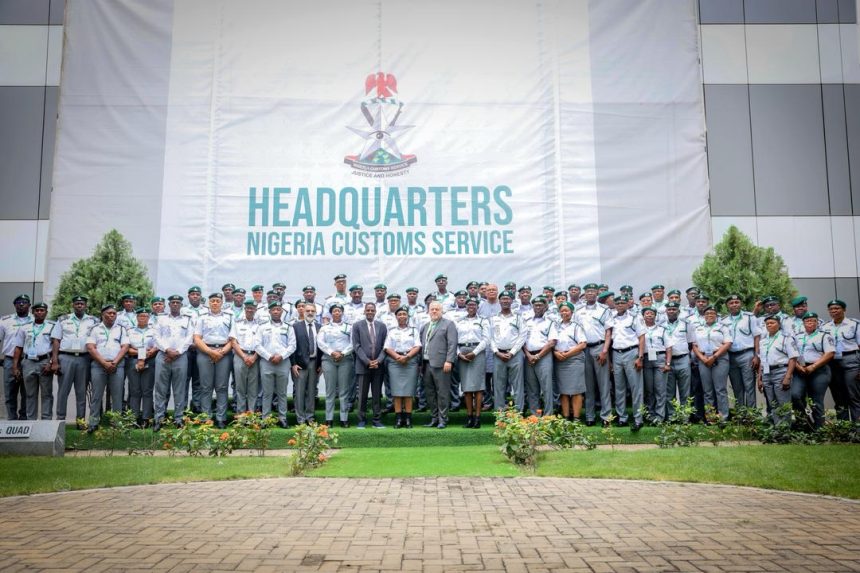
The Nigeria Customs Service (NCS), in partnership with the World Customs Organisation (WCO) and the World Bank Group (WBG), on Monday, 19 January 2026, launched the WCO Accelerate Trade Facilitation Programme as part of sustained efforts to enhance trade facilitation, strengthen compliance, and advance customs modernisation in Nigeria.
The programme is structured to review previously agreed reform objectives and validate the strategic framework for implementing priority initiatives, with particular focus on Post-Clearance Audit (PCA). It also serves as a platform to evaluate progress achieved so far and outline practical measures for improving efficiency, transparency, and risk-based compliance management across customs operations.
Speaking at the opening session, the Deputy Comptroller-General of Customs, Kikelomo Adeola, who represented the Comptroller-General of Customs, Adewale Adeniyi, described Post-Clearance Audit as a cornerstone of modern customs administration. She explained that an effective PCA framework enhances risk management, promotes voluntary compliance, and facilitates legitimate trade while ensuring revenue protection.
“This mission underscores the strong partnership between the World Customs Organisation and the Nigeria Customs Service. It reflects our shared commitment to strengthening PCA frameworks, improving officers’ technical capacity, and institutionalising best practices that encourage voluntary compliance while safeguarding government revenue,” she stated.
Quoting renowned author Brian Herbert, Adeola added, “The capacity to learn is a gift, the ability to learn is a skill, but the willingness to learn is a choice. The Nigeria Customs Service has chosen to make Post-Clearance Audit work in our country.”
Also addressing participants, WCO Trade Facilitation Expert, James Clark, commended the NCS for the significant progress recorded within a relatively short period. He noted that Nigeria’s trade facilitation reforms demonstrate a strong national commitment to improving the ease of doing business and aligning customs procedures with international best practices.
“The development of the PCA Manual was an impressive achievement. Beyond that, the steps taken to operationalise it, as well as your commitment to building a world-class PCA programme within the NCS, are truly commendable,” Clark said.
“While there is still work ahead, the progress made so far deserves recognition.”
In her remarks, the Deputy Comptroller-General of Customs in charge of Tariff and Trade, Caroline Niagwan, highlighted the deliberate efforts of the Service to strengthen Post-Clearance Audit and risk management systems. She noted that these initiatives are aimed at improving compliance, boosting revenue collection, facilitating legitimate trade, and protecting national economic interests.
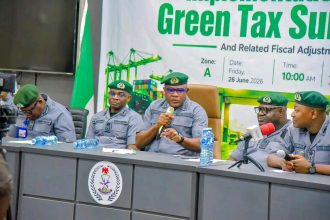
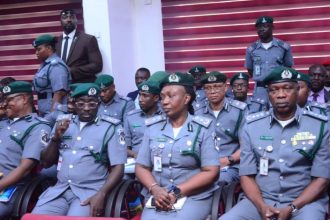
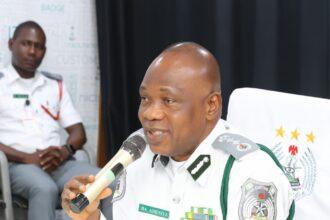
Similarly, the Assistant Comptroller-General of Customs in charge of Post-Clearance Audit, Babatunde Olomu, described the week-long programme as timely and strategic. He said the engagement comes at a critical stage in the Service’s reform journey and would further enhance institutional capacity in audit-driven compliance and trade facilitation.
The WCO Accelerate Trade Facilitation Programme, scheduled to run from 19 to 23 January 2026, reinforces the Nigeria Customs Service’s commitment to working with international partners to drive reforms that promote efficient trade, transparency, and sustainable economic growth.