

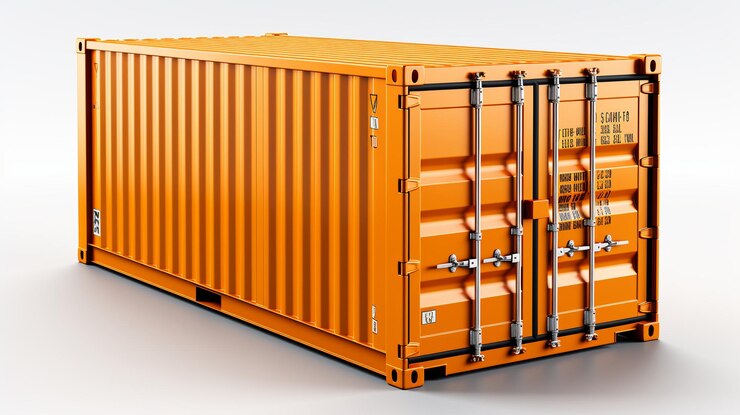
Every day, millions of cargo containers move goods across oceans, railways, highways, and inland waterways, making them one of the most important innovations in modern commerce. Since the introduction of containerized shipping in 1956, the humble shipping container has revolutionized global trade by providing a standardized, secure, and efficient method of transporting cargo across international supply chains.
- The Role of Shipping Containers in Global Logistics
- Key Structural Components of a Shipping Container
- 1. Roof: The Container’s Protective Shield
- 2. Side Wall Panels: Providing Strength and Stability
- 3. Container Floor and Cross Members
- Why Proper Repairs Matter
- Corner Posts: Supporting Heavy Stacking Loads
- Understanding the CSC Plate
- The Importance of Container Inspections
- International Regulations Governing Shipping Containers
- Customs Convention on Containers (1972)
- International Convention for Safe Containers (CSC)
- ISO Container Standards
- Why Container Knowledge Matters
Despite their simple appearance, shipping containers are complex engineering structures designed to withstand extreme weather conditions, heavy loads, and continuous handling throughout their operational lifespan. Understanding the anatomy of a shipping container is essential for logistics professionals, freight forwarders, cargo owners, inspectors, and students seeking to learn about the backbone of global transportation.
The Role of Shipping Containers in Global Logistics
A shipping container, also known as a Cargo Transport Unit (CTU), serves as a standardized transport solution that allows cargo to move seamlessly between ships, trucks, and trains without unloading the contents during transit.
Containers are built to handle significant stacking loads, transportation stresses, and environmental exposure while protecting cargo from damage, theft, and contamination.
To achieve this durability, every container is constructed from a series of structural components that work together to distribute weight and absorb forces encountered during transportation and handling.
Key Structural Components of a Shipping Container
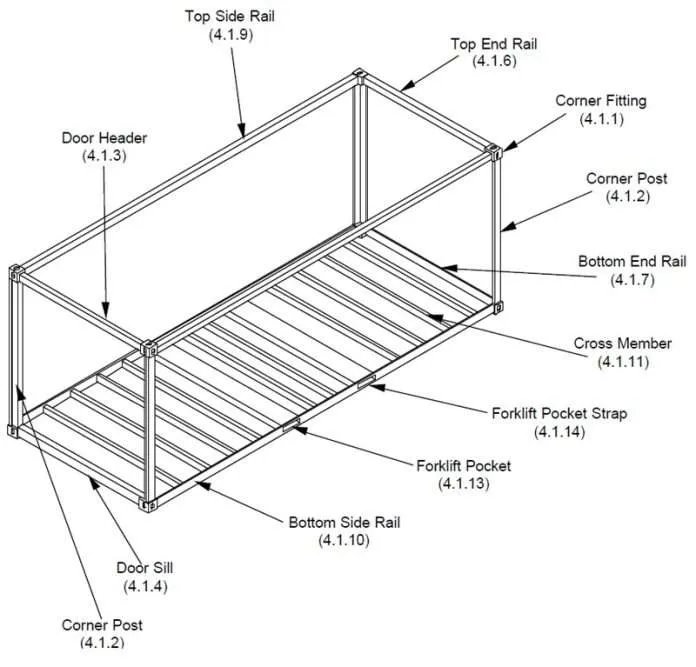
The strength of a shipping container comes from six primary structural elements:
- Roof
- Side Walls
- Floor
- Cross Members
- Top and Bottom Rails
- Corner Posts

Each component plays a vital role in maintaining the container’s integrity and ensuring cargo remains secure throughout the journey.
1. Roof: The Container’s Protective Shield
The roof of a standard container is typically manufactured from corrugated Corten steel panels. The corrugated design increases strength while reducing overall weight.



Although the roof is designed to withstand environmental exposure, older containers may develop corrosion, rust pitting, or small perforations over time. These defects can compromise weather resistance and allow water to enter the container, potentially damaging cargo.
Regular inspections are essential to identify corrosion before it develops into structural weakness.
2. Side Wall Panels: Providing Strength and Stability
Container side walls are also constructed from corrugated Corten steel, which provides rigidity and helps distribute loads throughout the structure.
These panels can experience damage from impacts during loading, unloading, or transportation. Common issues include dents, bowing, corrosion near weld seams, and structural deformation.
Maintaining side wall integrity is critical because excessive distortion can affect the container’s overall strength and compromise cargo safety.
3. Container Floor and Cross Members
The container floor is typically made from 28-millimeter marine-grade laminated plywood, designed to support heavy cargo and forklift operations.
Beneath the floor are steel cross members that provide structural support and evenly distribute cargo weight across the container base.
Cross members are among the most important load-bearing components of a container. Improper repairs, excessive corrosion, or structural cuts can weaken the floor system, leading to sagging, cracking, or failure under load.
Because forklifts frequently enter containers during loading operations, maintaining floor and cross-member integrity is essential for safe cargo handling.
Why Proper Repairs Matter
Container repairs are a routine part of maintenance, but poor-quality repairs can create long-term structural problems.
For example, incorrectly replacing a damaged cross member by cutting through its entire profile can reduce its strength and negatively impact the surrounding floor structure.
Industry repair standards require damaged sections to be repaired in a way that preserves structural continuity and maintains the container’s original load-bearing capacity.
Proper maintenance not only extends the container’s service life but also helps prevent accidents during cargo handling.
4. Top and Bottom Rails: The Container’s Structural Frame
The top and bottom rails form the outer framework of the container and connect the major structural components together.
These rails help transfer loads throughout the container during stacking, lifting, and transportation operations.
Inspectors typically examine rails for:
- Cracks near weld points
- Corrosion damage
- Structural deformation
- Impact-related distortion
Any significant damage to the rails can affect the container’s ability to withstand operational stresses.
Corner Posts: Supporting Heavy Stacking Loads
Corner posts are among the most critical structural components of any shipping container.
Manufactured from high-tensile steel, these vertical members carry most of the stacking load when containers are placed on top of one another aboard ships, in terminals, or in storage yards.
Because corner posts support substantial weight, repairs must meet strict engineering standards. Poorly repaired or weakened corner posts can create safety risks and increase the likelihood of structural failure during stacking operations.
Routine inspections often focus on weld quality, cracks, corrosion, and previous repair work.
6. Doors, Seals, and Hardware Systems
Container doors are designed to provide secure access while protecting cargo from weather and unauthorized entry.
A properly functioning door system should:
- Open fully without obstruction
- Have intact hinges and locking mechanisms
- Maintain effective weatherproof seals
- Close securely to prevent water ingress
Inspectors often perform a “daylight test” by closing the doors and checking for light penetration, which can indicate gaps or holes that may compromise cargo protection.
Understanding the CSC Plate
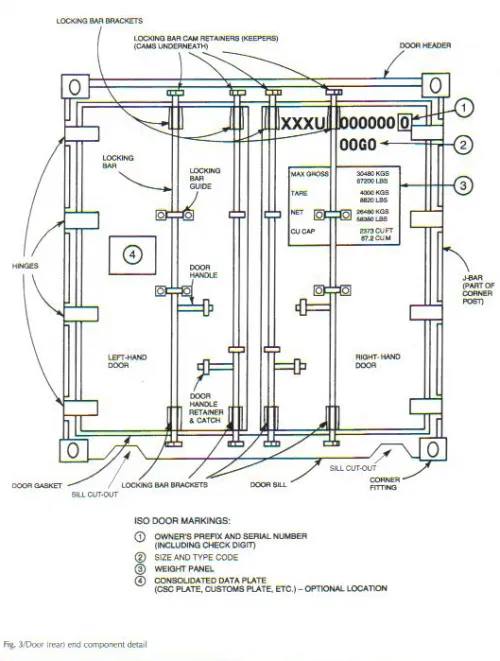
Every container used in international trade must display a valid CSC (Container Safety Convention) plate.
The CSC plate serves as the container’s safety certification and includes important information such as:
- Owner details
- Manufacturing information
- Maximum gross weight
- Stacking capacity
- Inspection and examination records
A valid CSC plate confirms that the container meets internationally recognized safety requirements for cargo transportation.
The Importance of Container Inspections
Shipping containers are exposed to continuous handling, harsh weather conditions, heavy loads, and operational wear.
To ensure safety and compliance, containers undergo regular inspections through approved examination programs. These inspections help identify:
- Structural damage
- Corrosion
- Repair defects
- Safety concerns
- Operational deficiencies
Regular inspections reduce the risk of cargo damage, workplace accidents, and costly transportation disruptions.
International Regulations Governing Shipping Containers
The global container industry operates under several international conventions and standards that promote safety, interoperability, and efficiency.
Customs Convention on Containers (1972)
This convention facilitates the international movement of containers by recognizing them as instruments of international traffic and simplifying customs procedures.
International Convention for Safe Containers (CSC)
Administered by the International Maritime Organization (IMO), the Convention for Safe Containers establishes safety requirements, testing procedures, and inspection standards to protect workers and cargo throughout the transport chain.
ISO Container Standards
The International Organization for Standardization (ISO) has developed numerous standards governing container dimensions, strength requirements, identification systems, testing procedures, and operational performance.
These standards ensure containers can be safely handled by ports, ships, rail operators, and trucking companies worldwide.
Why Container Knowledge Matters
Shipping containers may appear simple from the outside, but they are highly engineered transport units designed to support the global economy.
From corner posts and cross members to floors, rails, and safety certifications, every component contributes to the container’s ability to safely transport goods across continents and oceans.
As global trade continues to expand, understanding the anatomy of a shipping container remains essential for logistics professionals, supply chain managers, freight operators, and anyone involved in international commerce.
The container remains one of the most influential innovations in modern transportation—quietly powering global trade one shipment at a time.
Editor’s Note: This article has been republished following critical updates to technical information, industry standards, and container safety requirements.