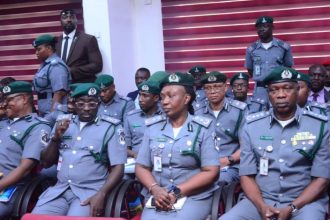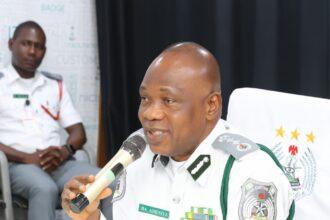


Nigeria’s frontline enforcement agencies are stepping up coordination in the fight against drug trafficking and cross-border crime, with the National Drug Law Enforcement Agency and the Nigeria Customs Service agreeing on a joint operational approach to strengthen border control while keeping legitimate trade moving.
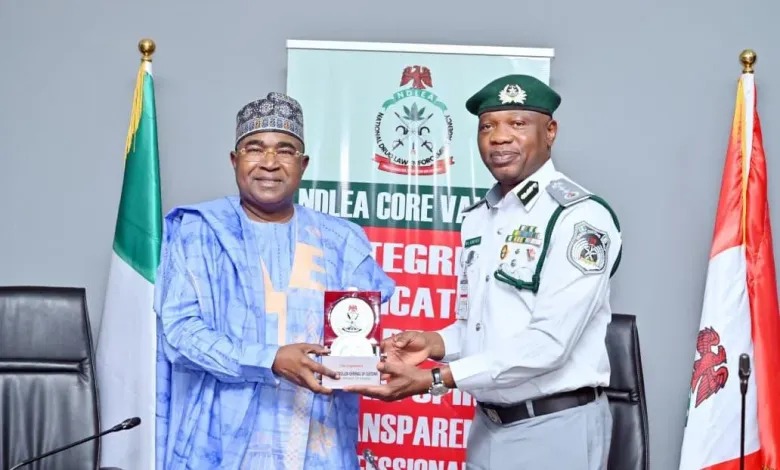
The agreement was reached at the NDLEA headquarters in Abuja, where the agency’s Chairman, Mohamed Buba Marwa, and the Comptroller-General of Customs, Bashir Adewale Adeniyi, formalised a framework aimed at tackling increasingly complex criminal networks.
Both agencies acknowledged that drug trafficking and related transnational crimes have grown more coordinated, often exploiting gaps between enforcement bodies. They noted that working in silos is no longer effective, making closer collaboration necessary.
Under the new arrangement, Customs and NDLEA will share intelligence more seamlessly, reduce overlap in operations, and carry out joint enforcement activities across seaports, airports, and land borders. Plans are also in place to establish joint task forces at key entry points, supported by a secure system for real-time intelligence exchange.
The shift is intended to move both agencies from parallel efforts to a more unified, intelligence-led response.
In a joint statement, the agencies described the partnership as a move toward stronger coordination and faster information flow, aimed at staying ahead of organised trafficking networks.
The framework also introduces a standing inter-agency committee to address operational issues and sustain cooperation, while preserving the distinct legal roles of each agency.
Marwa and Adeniyi stressed that the collaboration is both strategic and necessary, noting that improved coordination will help curb the inflow of illicit drugs and strengthen Nigeria’s borders against broader security threats. They added that enforcement efforts will be carefully managed to avoid disrupting lawful trade and travel, even as pressure is increased on criminal networks operating across the country’s entry points.